The Science Behind Meditation and Stress Relief
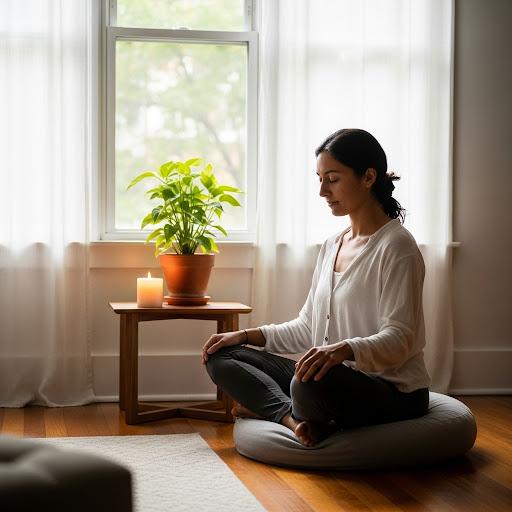
Meditation isn’t just a spiritual practice—it’s a science-backed method to reduce stress, improve focus, and enhance overall well-being. Whether you’re a beginner or a seasoned practitioner, understanding why meditation works can motivate you to make it a daily habit.
1. How Meditation Affects the Brain
Studies show that meditation can physically change your brain structure. Regular practice increases grey matter in areas linked to learning, memory, and emotional regulation. It also reduces activity in the amygdala — the part of the brain responsible for stress and fear responses.
2. Reducing Cortisol Levels
Cortisol, the body’s primary stress hormone, spikes during anxiety or pressure. Deep breathing and mindful awareness during meditation signal your nervous system to relax, leading to measurable drops in cortisol. Over time, this creates a calmer baseline for your everyday life.
3. Improving Emotional Resilience
Life’s challenges are inevitable, but meditation helps you respond rather than react. By practicing mindfulness, you create a mental “pause button” that allows for thoughtful, calm responses to stress instead of impulsive reactions.
4. Enhancing Sleep Quality
Stress and poor sleep are a vicious cycle — one feeds the other. Meditation slows down the mind’s chatter, making it easier to fall asleep and stay asleep, which in turn supports better mood and mental health.
5. How to Get Started
Start small: Just 5 minutes a day can make a difference.
Find a comfortable space: A quiet, clutter-free area enhances focus.
Use guided meditations: Apps and online videos are great for beginners.
Conclusion
Meditation isn’t about silencing your thoughts—it’s about learning to observe them without judgment. By making it part of your routine, you’re not just managing stress—you’re rewiring your brain for peace and resilience.